High-Pressure Portable Bike Pump for Any Valve
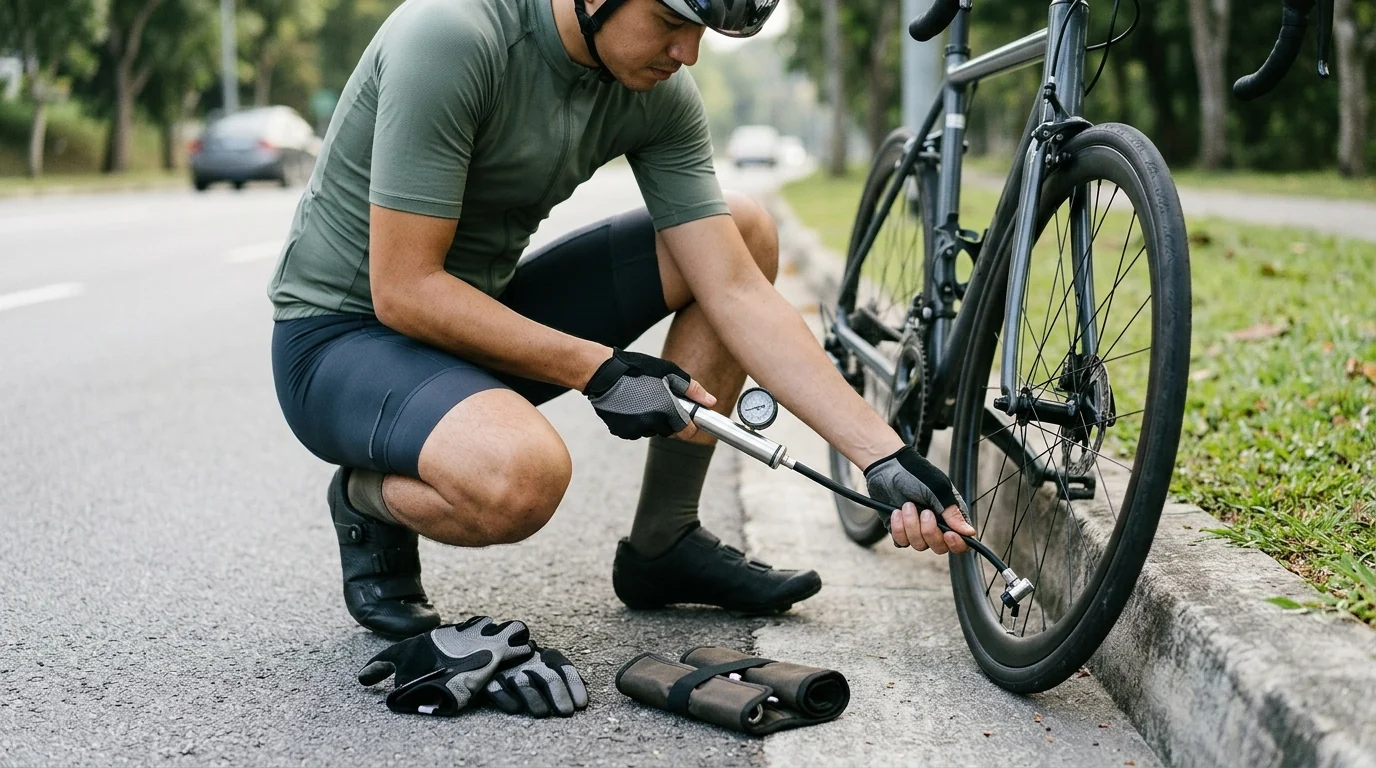
Portable High-Pressure Bike Tire Pump That Fits Any Valve
A compact pump is only useful if it reaches the pressure needed for the ride and connects to the valve without fuss. This guide breaks down what matters in a portable high-pressure bike tire pump that works across common valve standards, what to expect in real use, and how to get a fast, reliable fill-up at home or on the road. For more guidance, see Group test: Choose the best portable cycle pumps.
What “high-pressure” means for different bikes
“High-pressure” is most relevant for narrow tires that run higher PSI. Road tires typically require higher PSI than most mountain and hybrid setups, so a pump’s pressure capability matters most for riders on road and many commuter builds. For further reading, see 2026 New Arrival Portable Tire Inflators | pcltiresupport.
For wider tires, airflow per stroke and ease of pumping often matter more than a lofty max PSI rating. You can have a pump that technically hits high pressure, but if it moves very little air per stroke, filling a big MTB tire from low pressure can feel slow.
A readable pressure gauge (or at least consistent pumping feel if there’s no gauge) helps prevent underinflation and pinch flats, as well as overinflation that can reduce traction and comfort. For dialing in pressure by terrain and rider weight, a calculator like SILCA’s can be a useful reference alongside the range printed on your tire: Bicycle Tire Pressure Guide.
Typical tire pressure ranges by bike type
| Bike / Tire style | Common PSI range | Why it matters for a portable pump |
|---|---|---|
| Road (clincher/tubeless road) | 70–110 | Needs true high-pressure capability and secure valve connection |
| Gravel | 35–70 | Balance between pressure and volume; stable gauge helps |
| Hybrid/commuter | 45–75 | Convenience and quick top-ups are key |
| Mountain (trail/enduro) | 18–35 | High volume per stroke reduces time and effort |
| Kids/utility bikes | 25–60 | Simple, durable head with easy handling |
Valve compatibility: what “all valve types” should cover
Valve compatibility is where many portable pumps either feel effortless or turn into a leaky, frustrating chore. “All valve types” should cover at least Presta and Schrader, with a plan for Dunlop/Woods if it shows up in your household or local bike fleet.
- Presta: Common on road and many performance bikes; a good pump head seals well on a narrower stem and doesn’t bend the valve core.
- Schrader: Common on many hybrids, kids bikes, and some MTBs; the head needs to fit the thicker stem without wobble.
- Dunlop/Woods (regional): Less common but still found on city bikes; true all-valve support typically means an adapter or a dual-purpose head design.
Look for a head that switches cleanly between valve types (flip-chuck, dual-port, or a “smart head”) without tiny loose parts that are easy to misplace. If you want a quick technical refresher on how these valves differ, Sheldon Brown’s overview is a reliable reference: Presta vs Schrader: What’s the Difference?.
Key features that make a portable pump practical
A portable pump can be “high-pressure” on paper and still feel awkward day-to-day. The most useful details are the ones that reduce air loss, protect the valve, and make pumping stable when resistance climbs.
- Secure head lock: A locking lever or firm clamp reduces air loss during pumping and helps prevent the head from popping off under higher pressure.
- Hose vs. direct mount: A flexible hose can reduce stress on the valve stem, especially with deep rims or cramped angles near the spokes.
- Gauge placement: An integrated gauge helps hit target PSI. If you rely on a separate gauge, make sure the pump head seals well so you don’t lose pressure when checking.
- Build and seals: An aluminum barrel and quality internal seals tend to hold up better under frequent high-pressure use and temperature swings in a bag or car.
- Mounting and carry: Frame mount options, bag-friendly dimensions, and protected head storage matter for commuters and anyone who rides in mixed weather.
Using a portable high-pressure pump effectively
Small technique adjustments make a noticeable difference, especially when you’re chasing higher PSI on narrow tires.
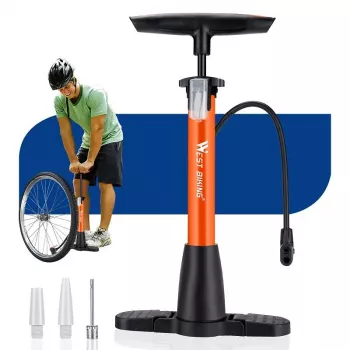
Portable High-Pressure Bike Tire Pump for All Valve Types: what to expect
Quick snapshot
| Detail | Value |
|---|---|
| Product | Portable High-Pressure Bike Tire Pump for All Valve Types |
| Price | 30.97 USD |
| Availability | In stock |
| Best for | Road, commuter, and mixed households with different valve standards |
Care and troubleshooting
More in-stock picks
- Armani Exchange Men’s Black Wallet
- Armani Exchange Men’s Hooded Blazer
- Montessori Wooden Car Playset with Canvas Traffic Road Map
FAQ
Will one pump head really work with Presta and Schrader valves?
Yes—many portable pumps use a dual-mode or “smart head” design that changes how it seals based on the valve size. To avoid leaks, make sure the head is fully seated and the locking lever (if included) is engaged before you start pumping.
How much PSI should bike tires be inflated to?
Use the tire sidewall’s recommended range as your starting point, then adjust based on rider weight, riding surface, and comfort. Road tires usually run higher PSI than mountain tires, which prioritize grip and compliance at lower pressures.
Why does it get much harder to pump near the end?
As the tire pressure rises, each stroke has to push against higher resistance, so the last 10–20 PSI feels significantly tougher. Shorter, controlled strokes and a solid valve seal help you keep progress steady without losing air.









Leave a comment